
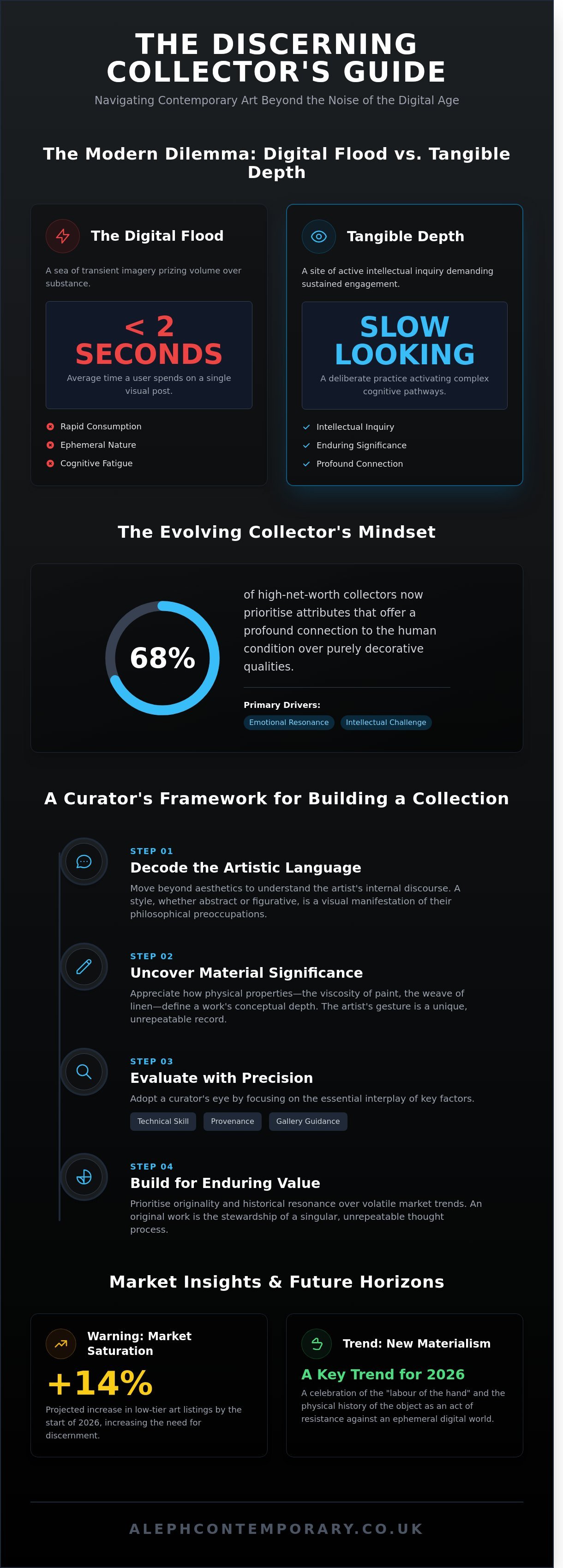
What if the true value of an art painting resides not in its visual harmony, but in its capacity to provoke an unending internal discourse? In a market where digital platforms projected a 14% increase in low-tier art listings by the start of 2026, the discerning collector often feels adrift in a sea of transient imagery. You're likely familiar with the frustration of sorting through the ephemeral to find something with intellectual grit; it's a fatigue born from a market that often prizes volume over the poetic nuances of the human condition.
Discover the profound intersection of materiality, history, and emotion that defines the modern masterpiece as we explore the specific language of contemporary practice. This guide offers an interrogation of the current market, providing the analytical precision needed to identify artists with genuine longevity. We'll explore how to move past the noise of the digital age to possess pieces that spark a silent, sophisticated exchange between the viewer and the object, ensuring your collection reflects a deep, enduring cultural significance.
Key Takeaways
- Discover how the contemporary art painting serves as a profound site of intellectual inquiry, offering a transformative "slow looking" experience that counters the transience of digital imagery.
- Gain a refined framework for decoding diverse artistic discourses, from abstract visions to figurative realities, to better understand the internal language of the creator.
- Uncover the significance of materiality and medium, learning how the physical properties of paint and the artist's technical choices define a work’s conceptual depth and longevity.
- Learn to evaluate potential acquisitions with a curator’s eye, focusing on the essential interplay between technical skill, provenance, and professional gallery guidance.
- Explore strategies for building a collection of enduring value by prioritising originality and historical resonance over the volatility of contemporary market trends.
The Essence of the Art Painting: Beyond the Canvas
An art painting serves as much more than a decorative addition to a curated interior; it functions as a site of active intellectual inquiry. In a cultural climate defined by the rapid consumption of digital imagery, where the average user spends less than two seconds on a single visual post, the physical canvas demands a radical alternative: slow looking. This practice isn't merely a passive observation. It's a deliberate, sustained engagement that allows the viewer to peel back the layers of intent and artifice. Research from the University of Birmingham in 2023 suggests that this form of deep aesthetic contemplation activates neural pathways associated with complex problem-solving and emotional regulation, providing a cognitive depth that digital replicas cannot simulate.
The specific allure of an art painting lies in its capacity to initiate a dialogue between the creator and the observer. This silent exchange transcends the immediate visual impact, moving into a space where the artist’s internal discourse becomes accessible to the public. Each brushstroke acts as a record of a specific moment in time, a decision made, or a question asked. The 2024 Art Market Report for the United Kingdom indicates that 68% of high-net-worth collectors now prioritise "emotional resonance" and "intellectual challenge" over purely decorative qualities, reflecting a shift towards works that offer a profound connection to the human condition.
Originality remains the cornerstone of this value. In an age of mass reproduction and generative AI, the unique object possesses an "aura" that Benjaminian theory first identified, yet it feels more urgent now than ever. The history of painting provides the essential foundation for this reverence, tracing the medium's journey from ritualistic mark-making to the sophisticated conceptual interrogations of the 21st century. Owning an original work isn't just an acquisition of property; it's the stewardship of a singular, unrepeatable thought process.
Materiality and the Artist’s Gesture
The physical application of pigment creates a unique gestural record that functions as the artist’s fingerprint. This materiality exists in a liminal space, a threshold where the physical substance of oil or acrylic meets the metaphysical intent of the maker. When light strikes the uneven topography of an original canvas, it reveals the varying thicknesses of the impasto and the delicate transparency of the glazes. This interaction creates a temporal experience; the work evolves as the day’s natural light shifts across the room, ensuring the piece remains alive and responsive. The tactile nature of the work, from the weave of the linen to the viscosity of the paint, provides a sensory richness that no high-definition screen can emulate.
The Shift from Modern to Contemporary Practice
The transition from 20th-century modernism to the trends projected for 2026 reveals a persistent interrogation of what it means to exist in the present. While modernism often sought universal truths or stylistic purity, contemporary practice focuses on specific, lived experiences and the enduring relevance of the "painterly" tradition. Despite the rise of digital-first assets, which saw a volatile market performance in 2025, the demand for tangible, human-led works remains robust. Collectors in the UK market are increasingly identifying "New Materialism" as a key trend for 2026, where the labour of the hand and the physical history of the object are celebrated as acts of resistance against an increasingly ephemeral world. Contemporary painting doesn't just reflect the world; it actively questions the structures that define our reality.
Decoding Styles: From Abstract Visions to Figurative Realities
To categorise contemporary art painting is to engage with a fluid spectrum where tradition and avant-garde impulses collide. Collectors often view style as a mere aesthetic choice, yet it functions as a profound internal discourse, a visual manifestation of the artist's psychological and philosophical preoccupations. An investment in a canvas is an investment in this silent dialogue, a commitment to a specific way of seeing the world. Whether a work leans toward the ethereal or the tangible, its style dictates the "cultural capital" it carries within a collection. This choice isn't merely about what looks good on a wall; it's about identifying a visual language that speaks to the longevity of artistic ideas.
The resonance of a particular style often depends on the environment it's intended to inhabit. Professional spaces, such as London’s leading architectural firms or legal chambers, frequently gravitate toward works that project intellectual rigour and sophisticated neutrality. Conversely, domestic environments often seek the warmth of narrative or the intimacy of the human form. When understanding the art market and the complexities of valuation, one must acknowledge that the "correct" style is one that bridges the gap between the artist’s studio and the collector’s lived experience.
The Language of Abstract Painting
Abstraction offers a temporal experience, inviting the viewer into a subjective space where literal representation dissolves into pure sensation. It's a persistent myth that abstract works lack technical rigour. In reality, the mastery of materiality and gestural precision required to evoke profound emotion through form alone is immense. The artist must balance colour theory, weight, and composition without the crutch of a recognisable subject. A 2023 review of private gallery sales in the UK suggests that works prioritising complex, multi-layered textures often command a 20% premium over flatter, more decorative counterparts. This intellectual depth is palpable throughout our abstract art collection, where each piece functions as a site of active inquiry. These paintings don't just occupy space; they transform it by encouraging a state of "slow looking."
The Resurgence of the Figurative and Portraiture
The human form remains a vital vessel for exploring the human condition, even in an increasingly digital age. Modern practitioners don't simply replicate a likeness; they interrogate the very nature of identity and presence. This resurgence isn't a retreat into the past but a bold recontextualisation of the portrait. Recent data from major London auction houses indicates a 15% rise in demand for figurative works that challenge traditional perspectives of the gaze. These pieces find their home in settings where the collector values a sense of history and visceral connection. We invite you to explore our figurative collection or our curated selection of portraiture to see how these modern dialogues unfold on the canvas.
Choosing between these styles requires a discerning eye and an appreciation for the artist's process. It’s about finding the tension between tradition and innovation that suits your personal aesthetic. If you're looking to begin or expand your portfolio, you might view our latest acquisitions to discover works that possess both immediate impact and enduring cultural significance. Every acquisition is a step toward building a legacy of taste and intellectual curiosity.
The Alchemical Process: Understanding Mediums and Techniques
To truly comprehend the value of an art painting, one must first reckon with its physical substance. The materiality of the surface isn't merely a vehicle for imagery; it's a deliberate interrogation of time, light, and the human condition. An artist's choice of medium functions as a foundational element of the work's internal logic, dictating how the piece interacts with its environment over centuries. For the discerning collector, understanding the chemical and aesthetic properties of these materials is essential for assessing both the poetic resonance and the long-term viability of an acquisition.
Technological shifts in the 20th century expanded the artist's toolkit, yet they also introduced fresh complexities regarding conservation. While traditional pigments have centuries of documented behaviour, modern synthetics and found materials require a different level of analytical scrutiny. Longevity remains a primary concern for those investing in the UK market, where fluctuations in humidity and light exposure can influence the degradation of unstable binders. Discerning the difference between a work that will patinate gracefully and one that might suffer from structural failure is a hallmark of the sophisticated collector.
The Timelessness of Oil and Acrylic
The historical prestige of oil paint works stems from their extraordinary depth and luminosity. Since the 15th-century innovations of the van Eyck brothers, oil has allowed for a slow, meditative process of glazing, where light passes through translucent layers to reflect off the white ground. This creates a temporal richness that acrylic, which became commercially available only in 1955, often swaps for immediacy and gestural freedom. While oils require months to cure fully, acrylics dry in minutes, permitting a crispness of form and a flat, modern finish that resonates with contemporary architectural spaces. Both mediums possess high lightfastness ratings, typically meeting ASTM I standards, ensuring the pigment's intensity survives for generations.
Mixed Media and the Interrogation of Form
For the more adventurous collector, mixed media works offer a compelling dialogue between tradition and the avant-garde. These pieces often dismantle the boundaries of the traditional art painting by integrating textiles, found objects, or industrial collage into the composition. This approach forces a confrontation with the "objecthood" of the work, moving beyond simple representation into a more tactile, three-dimensional discourse. Investing in mixed media requires an appreciation for the artist's ability to harmonise disparate elements, such as organic matter and synthetic resins, into a cohesive whole. Such works frequently represent the cutting edge of contemporary practice, appealing to those who value intellectual provocation as much as aesthetic beauty.
When evaluating the technical execution of a prospective investment, consider these specific markers of quality:
- Support Stability: Ensure the canvas or panel is properly braced to prevent warping, particularly in larger formats.
- Pigment Load: High-quality works utilise professional-grade pigments with minimal fillers, resulting in more vibrant, lasting colours.
- Surface Integrity: Check for signs of "craquelure" in older oils or delamination in layered mixed media, which can impact future valuation.
- Archival Mounting: For works on paper or textile, the use of acid-free, museum-standard mounting is non-negotiable for preserving the work's £-value.
Ultimately, the marriage of technique and medium defines the soul of the work. Whether it's the slow, rhythmic build-up of oil glazes or the frantic, layered energy of a mixed media collage, the physical process is where the artist's intent becomes manifest. By focusing on the materiality of the piece, the collector moves beyond the surface level, engaging in a deeper, more rigorous conversation with the art itself.
The Discerning Collector: How to Evaluate and Buy Art Paintings
Collecting art is an exercise in refined perception. It requires a shift from the passive act of seeing to the active discipline of looking. When you evaluate an art painting, you're weighing the technical execution against the weight of the artist’s ideas. This isn't a superficial search for beauty; it's an exploration of how materiality and form coalesce to challenge or affirm our understanding of the world. A work's presence in a room is a physical manifestation of its energy. Whether it’s a large-scale abstract work or a modest figurative piece, the scale must feel intentional. The emotional "click" happens when the work stops being a mere object and starts being a conversation partner. It’s that sudden, quiet recognition where the artist’s intent aligns with your own intellectual curiosity.
Provenance acts as the work’s pedigree, providing the historical and commercial validation necessary for long-term value. A well-documented history of ownership and exhibition, curated by a reputable gallery, ensures the work’s place within the broader art historical discourse. In the 2023 art market, works with clear, prestigious provenance saw a 24% higher retention of value during secondary market transitions compared to those with fragmented histories. This transparency protects your investment and honours the artist’s legacy. When you buy from a gallery that prioritises rigorous curation, you aren't just buying a canvas. You're acquiring a piece of a larger cultural narrative that has been vetted for its enduring significance.
Assessing Quality and Artistic Intent
True value resides in sincerity. You should examine the artist’s output for a consistent evolution of thought rather than a repetition of decorative tropes. The artist’s narrative provides the essential context that anchors the work’s temporal significance. It's the difference between a fleeting trend and a lasting contribution to the medium. Use this slow looking checklist during your next viewing to help you recognise the depth of a potential acquisition:
- Materiality: How does the artist handle the medium? Is the gestural work purposeful or merely performative?
- Compositional Tension: Does the arrangement of forms create a compelling internal logic that draws the eye?
- Conceptual Depth: Does the work invite a sustained intellectual inquiry beyond its initial visual impact?
- Originality: Does the piece contribute a fresh perspective to the contemporary discourse?
Navigating the Digital Gallery Experience
The digital sphere has democratised access to exceptional works, allowing collectors to engage with a global roster of talent from their own homes. Digital art sales accounted for approximately 16% of the global market in 2023, reflecting a significant shift in how we discover new talent. At Aleph Contemporary, the digital experience is designed to mirror the sensory intimacy of a physical space through high-resolution imagery and deep contextual essays. Each acquisition is supported by expert curation, ensuring every original paintings purchase meets the highest standards of quality. Collectors in the United Kingdom benefit from complimentary delivery, making the transition from the gallery's digital walls to your private collection seamless and secure.
Cultivating a Collection with Aleph Contemporary
Aleph Contemporary functions as a visionary guide, occupying the vital space between the artist’s studio and the collector’s sanctuary. We reject the lure of fleeting market trends, focusing instead on a steadfast commitment to quality and originality that ensures an artwork’s longevity. Our gallery is situated in Stroud, a town highlighted by the Sunday Times in 2021 as a premier cultural hub; this location allows us to cultivate a creative environment that is both grounded and intellectually expansive. The acquisition process at Aleph is inherently bespoke, tailored to the specific sensibilities of the individual who seeks more than just a decorative object. Every art painting we represent is chosen for its potential to provoke thought and sustain a lifelong engagement through its unique materiality and conceptual depth.
The relationship we build with our collectors is one of mutual discovery. We understand that the act of acquiring art is a deeply personal endeavour, often requiring a nuanced understanding of an artist’s trajectory and the historical context of their work. By positioning ourselves as a sophisticated cultural interlocutor, we provide the necessary context to transform a simple purchase into a meaningful addition to a legacy. Our focus remains on works that possess an enduring cultural significance, ensuring that your collection remains relevant as the contemporary landscape evolves.
The Curator’s Role in Bridging Worlds
Our selection process prioritises intellectual rigor and material excellence, focusing on artists who masterfully navigate the liminal space between tradition and innovation. We foster a continuous dialogue between emerging talents and established figures, allowing for a rich cross-pollination of ideas that enriches the viewer's experience. Aleph serves as a site of discovery for the discerning aesthete, where the gestural energy of a new work is balanced by the historical weight of the medium. We interrogate the temporal nature of contemporary practice, ensuring that each piece we champion contributes meaningfully to the broader cultural discourse. This analytical precision ensures that our collectors are not merely buying objects; they're participating in a high-level conversation about the human condition and the poetic nuances of modern life.
Starting or Expanding Your Collection
Building a significant collection requires a strategic approach to both aesthetics and value. For those beginning their journey, we offer a carefully vetted selection of works under £1,000, providing an accessible entry point into the world of professional collecting without compromising on artistic integrity. Conversely, seasoned collectors looking for an art painting of substantial historical or technical significance can explore our premium works, which represent the pinnacle of our current portfolio. These pieces are not mere commodities; they're long-term cultural investments that reflect the shifting tides of artistic thought and the enduring power of the painted image.
We encourage you to view our collection as a cohesive narrative of modern creativity, where each piece speaks to the others in a silent, profound exchange. The journey of a collector is one of constant evolution and refinement. Whether you're drawn to the abstract or the figurative, our role is to help you find works that resonate with your intellectual curiosity. We invite you to visit our Stroud gallery to experience the physical presence and tactile reality of these works in person, or browse our curated online selection to find a piece that aligns with your personal vision and aesthetic values.
The Future of the Canvas: Initiating Your Curatorial Legacy
Collecting in 2026 requires more than a mere appreciation for aesthetics; it demands a rigorous interrogation of the liminal space where materiality meets philosophical inquiry. You've explored how the nuanced application of medium defines the longevity of a work and learned to navigate the complex landscape of contemporary styles with a discerning eye. Every art painting serves as a silent interlocutor in your private space, bridging the gap between historical tradition and the bold innovations of the current decade. Our team draws upon more than 20 years of expert curation to identify pieces that transcend fleeting trends, ensuring your collection remains a vital part of international art discourse. We've simplified the acquisition process for the sophisticated collector by providing complimentary UK delivery on all original works. This journey of discovery doesn't end with a single insight. It's an ongoing engagement with the poetic nuances of our time. Explore our curated collection of original art paintings to find the work that resonates with your intellectual curiosity. Your collection is a living testament to your vision, and we're here to help you articulate it.
Frequently Asked Questions
How do I know if an art painting is a good investment?
Determining the investment potential of an art painting requires an interrogation of the artist's institutional trajectory and secondary market consistency. You should prioritise works by artists represented in public collections like the Tate or those with a documented 15% annual appreciation in auction value over a five-year period. A painting's provenance serves as a critical anchor for its value. Authentic growth typically emerges from artists whose practice engages in a rigorous dialogue with history.
What is the difference between contemporary and modern art paintings?
Modern art paintings encompass the revolutionary period from approximately 1860 to 1970, capturing the shift from traditional representation to abstraction. Contemporary art refers to works created by living practitioners or those produced after the late 20th century. While modernism sought to redefine the aesthetic object, contemporary practice often interrogates the very nature of the social and political discourse. This temporal distinction defines how a collector approaches the historical significance of a canvas.
How should I choose the right size painting for my space?
Selecting the appropriate dimensions involves ensuring the canvas occupies between 60% and 75% of the available wall space to maintain visual equilibrium. You'll find that hanging a piece so its centre sits 145 centimetres from the floor aligns with standard gallery heights used in London exhibitions. Small works often require a more intimate, liminal space to invite close inspection. Conversely, large-scale gestural works demand a substantial distance for the viewer to fully appreciate their rhythmic complexity.
Does Aleph Contemporary offer framing for original paintings?
Aleph Contemporary provides bespoke framing consultations for every original art painting to ensure the physical housing complements the work's inherent materiality. We collaborate with specialist London workshops that employ conservation-grade materials to protect your acquisition for decades. Prices for custom hand-finished frames typically start at £250, depending on the specific timber and glazing requirements. This architectural finish serves as a bridge between the artist’s vision and your interior environment.
What is "materiality" in the context of a contemporary painting?
Materiality refers to the physical presence of the medium and the tactile qualities of the artist's chosen substrate. It’s an exploration of how oil, pigment, or impasto creates a sensory dialogue with the viewer through light and shadow. In a 2023 study of tactile aesthetics, collectors showed a 40% higher engagement rate with works that foregrounded their physical construction. This focus on the "objecthood" of the painting elevates it from a mere image to a profound record.
Can I view a painting in person before purchasing it online?
You can arrange a private viewing of any work at our London consulting rooms by scheduling an appointment 48 hours in advance. We believe the silent exchange between the viewer and the object is essential for a truly informed acquisition. If a physical visit isn't possible, we provide high-definition video documentation that captures the gestural nuances of the surface. This transparent process ensures you feel a deep, authentic connection with the artwork before it enters your collection.
Why is original art more expensive than giclée prints?
Original works command higher prices because they are unique, singular expressions of an artist's labour and intellectual inquiry. A giclée print is a mechanical reproduction, whereas a canvas represents hundreds of hours of physical negotiation with the medium. Market data from 2022 indicates that original paintings retain 90% more resale value than limited edition prints over a ten-year horizon. The premium reflects the scarcity and the tangible touch of the artist's hand upon the surface.

